Stomach cancer, explained simply.
Stomach cancer, also called gastric cancer, starts when cells in the stomach lining grow out of control. Found early, it can often be treated with the aim of cure.

Key points
- Stomach cancer starts when cells in the stomach lining grow out of control.
- Early stomach cancer often causes no symptoms, or symptoms that feel like ordinary indigestion.
- A camera test called an endoscopy is the main way to find it.
- Treatment depends on how far the cancer has grown. It may include removing it through a camera tube, surgery, medicines, or a mix of these.
- Found early, stomach cancer can often be treated with the aim of cure.
When is it an emergency?
Go to the nearest emergency department now if you vomit blood, pass black tarry stools and feel unwell, feel faint, or have severe tummy pain. See the Symptoms page for the full list.
Start with what you need to know
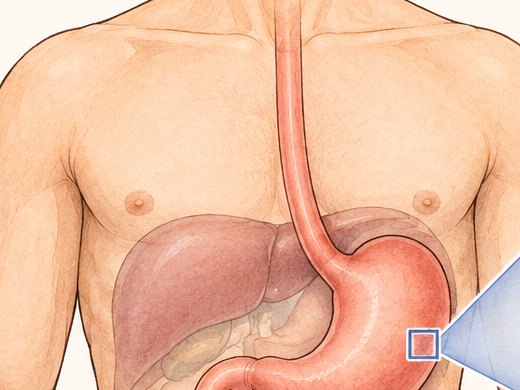 What is it?What stomach cancer is and who gets it
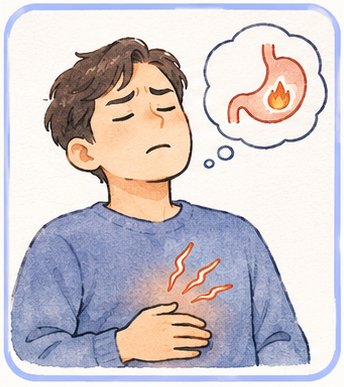 Warning signsSymptoms, and when to see a doctor quickly
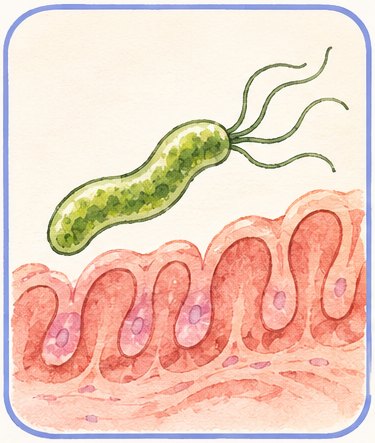 Lower your riskThe stomach germ H. pylori, salt, smoking and family history
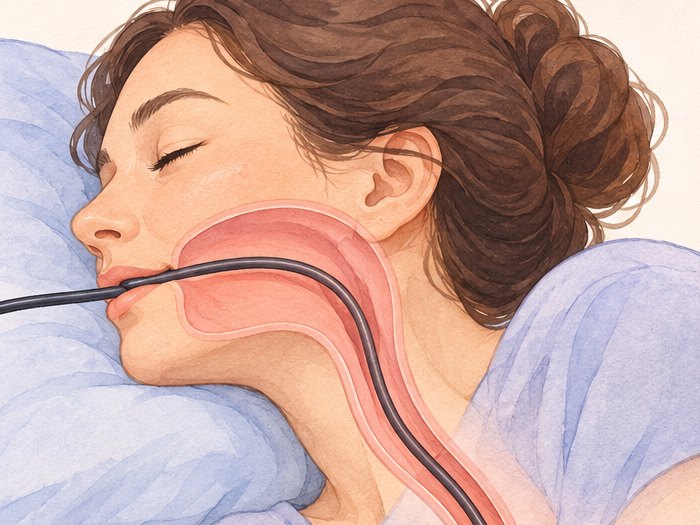 TestsEndoscopy, scans and what the results mean
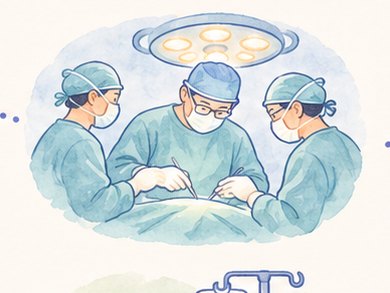 TreatmentSurgery, medicines and what to expect
 Life afterEating, recovery and check-ups
What’s new
- Oct 2026European cancer specialists published one combined guideline for stomach and food-pipe cancer13.
- 2026Final results of a large trial showed that adding an immune medicine to chemotherapy around surgery helped people live longer27.
- 2026A trial of a new medicine for HER2-positive stomach cancer that has spread reported its first results30.
Common questions
Is stomach cancer the same as "gastric"?
In Malaysia, people say "gastric" for stomach pain or indigestion. Doctors use "gastric cancer" to mean stomach cancer. Ordinary gastric pain is very common and is usually not cancer.
Can stomach cancer be cured?
When found early, it can often be treated with the aim of cure. The chance depends mainly on the stage.
I have had gastric pain for years. Should I worry?
Long-standing symptoms that have not changed are usually not cancer. See a doctor if symptoms are new, getting worse, or come with weight loss, vomiting, black stools or trouble swallowing.
Keep learning
References
- Al-Batran SE, et al. Gastric and oesophageal cancer: ESMO Clinical Practice Guideline for diagnosis, treatment and follow-up. Ann Oncol 2026 (published online October 2026). doi:10.1016/j.annonc.2026.09.015
- Janjigian YY, et al. Perioperative durvalumab plus fluorouracil, leucovorin, oxaliplatin, and docetaxel for resectable gastric and gastro-oesophageal junction adenocarcinoma (MATTERHORN): final results of overall survival and event-free survival by pathological response. Lancet 2026;408(10560):1114–1128. doi:10.1016/S0140-6736(26)01254-7
- Shitara K, et al. Zanidatamab with and without tislelizumab in HER2-positive gastroesophageal cancer (HERIZON-GEA-01). N Engl J Med 2026;394(20):2002–2014. doi:10.1056/NEJMoa2517729
For general education only. Not a substitute for consultation with a qualified doctor. Not a diagnosis or treatment advice.
If you have urgent symptoms such as vomiting blood, black tarry stools, severe tummy pain, fainting or difficulty breathing, go to the nearest emergency department or call 999.