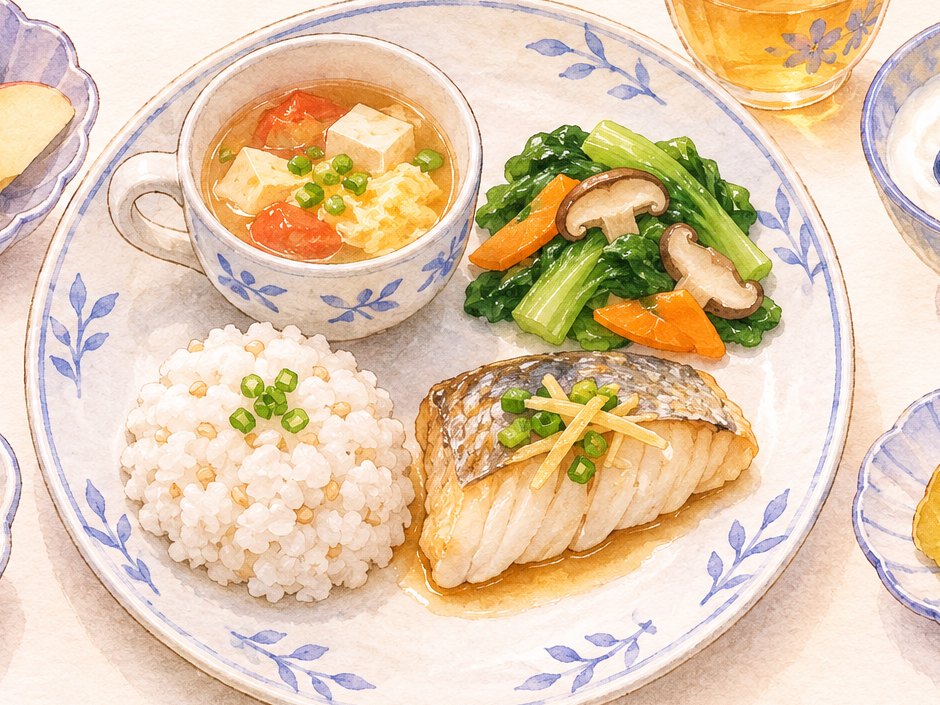
Key points
- Good nutrition is part of treatment, not an extra.
- After stomach surgery, small meals eaten often work better than three big meals.
- Some vitamins, especially B12, may need to be replaced for life after the whole stomach is removed.
- Regular check-ups look after your nutrition and your recovery, and watch for the cancer coming back.
What should I eat before treatment?
- Tell your team if you have lost weight or are eating less.
- Try to keep up protein: eggs, fish, chicken, tofu, tempeh, dhal, milk or soy drinks.
- Ask to see a dietitian early.
- Nutrition drinks, or feeding through a tube or a drip, may be advised if eating is not enough.
What can I eat after stomach surgery?
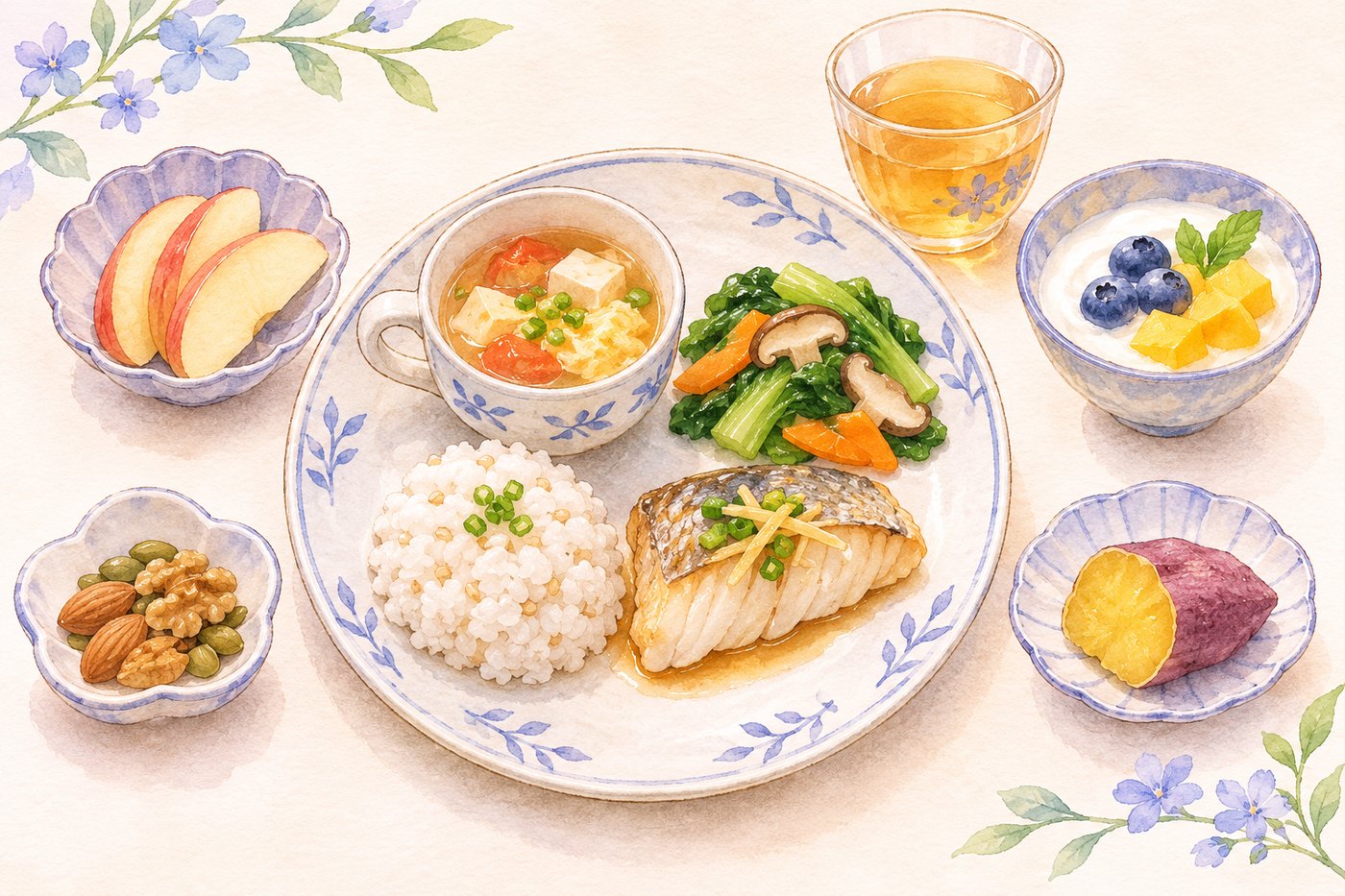
- Eat six to eight small meals or snacks a day instead of three large ones.
- Eat slowly and chew well.
- Have protein with each meal.
- Sip drinks between meals. Some people feel better if they do not drink much with food.
- Weigh yourself regularly and tell your team if your weight keeps dropping.
Familiar foods that often work well: rice porridge (bubur), soft rice with steamed fish, egg dishes, tofu, soft noodles in soup, dhal, yoghurt, bananas and papaya. A dietitian can adapt advice for diabetes, kidney disease, vegetarian diets and budget.
What is dumping syndrome?
After stomach surgery, food can rush into the small gut too fast. Soon after eating you may feel bloated, crampy, sweaty, dizzy, or have loose stools. One to three hours later you may feel shaky or weak from low blood sugar. Smaller meals, fewer sugary foods and drinks, and separating drinks from meals usually help. Tell your team if it continues.
Want more detail? (Dumping syndrome)
An international expert panel agreed that changing the diet is the first step in treating dumping syndrome. Medicines are available for people whose symptoms continue39.
Which vitamins and minerals will I need?
Your team may check and replace vitamin B12, iron, folate, vitamin D and calcium. After total gastrectomy the body cannot absorb vitamin B12 from food properly, so lifelong B12 replacement is usually needed.
Can I fast during Ramadan?
Fasting during cancer treatment or soon after stomach surgery can be unsafe for some people. It can lead to dehydration, poor nutrition or missed medicines. There is no single rule for everyone. Please ask your own treating team before you fast.
Feelings matter too
Worry, low mood and fear of the cancer coming back are common. Tell your team. Support from counsellors, cancer support groups and palliative care teams is part of good care.
What happens at follow-up visits?
After treatment you will have regular visits. These usually include questions about eating and weight, an examination and blood tests. Scans and endoscopy are done when your doctor thinks they are needed. Visits are more frequent in the first few years.
Long-term things to watch: weight and muscle loss, low B12 or iron, dumping syndrome, trouble eating, reflux, bone health, and emotional wellbeing.
What is the outlook for stomach cancer?
Many people want to know about survival. Outlook depends mostly on the stage at diagnosis, and also on your general health and how the cancer responds to treatment. Stomach cancer found early can often be treated with the aim of cure.
Want more detail? (Survival figures)
Please read this first: these are averages from large groups of people diagnosed some years ago, in another country. They cannot say what will happen to you. Treatments have improved since. Your own doctor is the right person to explain your outlook.
| How far the cancer had spread at diagnosis | People alive five years later, compared with people without the cancer (United States, 2013–2019) |
|---|---|
| Only in the stomach | About 75 in 100 |
| Spread to nearby tissues or lymph nodes | About 35 in 100 |
| Spread to distant parts of the body | About 7 in 100 |
Source: American Cancer Society, using the United States SEER database43. Comparable stage-by-stage figures for Malaysia were not available to us.
Common questions
Can I eat normally after surgery?
Most people return to a varied diet, but in smaller, more frequent meals. It takes time to adjust.
Can I fast during Ramadan while on treatment?
It depends on your treatment and health. Ask your treating team before fasting.
Should I take supplements or traditional medicine during treatment?
Tell your cancer team about everything you take. Some products interfere with treatment.
References
- Scarpellini E, et al. International consensus on the diagnosis and management of dumping syndrome. Nat Rev Endocrinol 2020;16(8):448–466. doi:10.1038/s41574-020-0357-5
- American Cancer Society. Stomach cancer survival rates. cancer.org (accessed 13 November 2026).
For general education only. Not a substitute for consultation with a qualified doctor. Not a diagnosis or treatment advice.
If you have urgent symptoms such as vomiting blood, black tarry stools, severe tummy pain, fainting or difficulty breathing, go to the nearest emergency department or call 999.